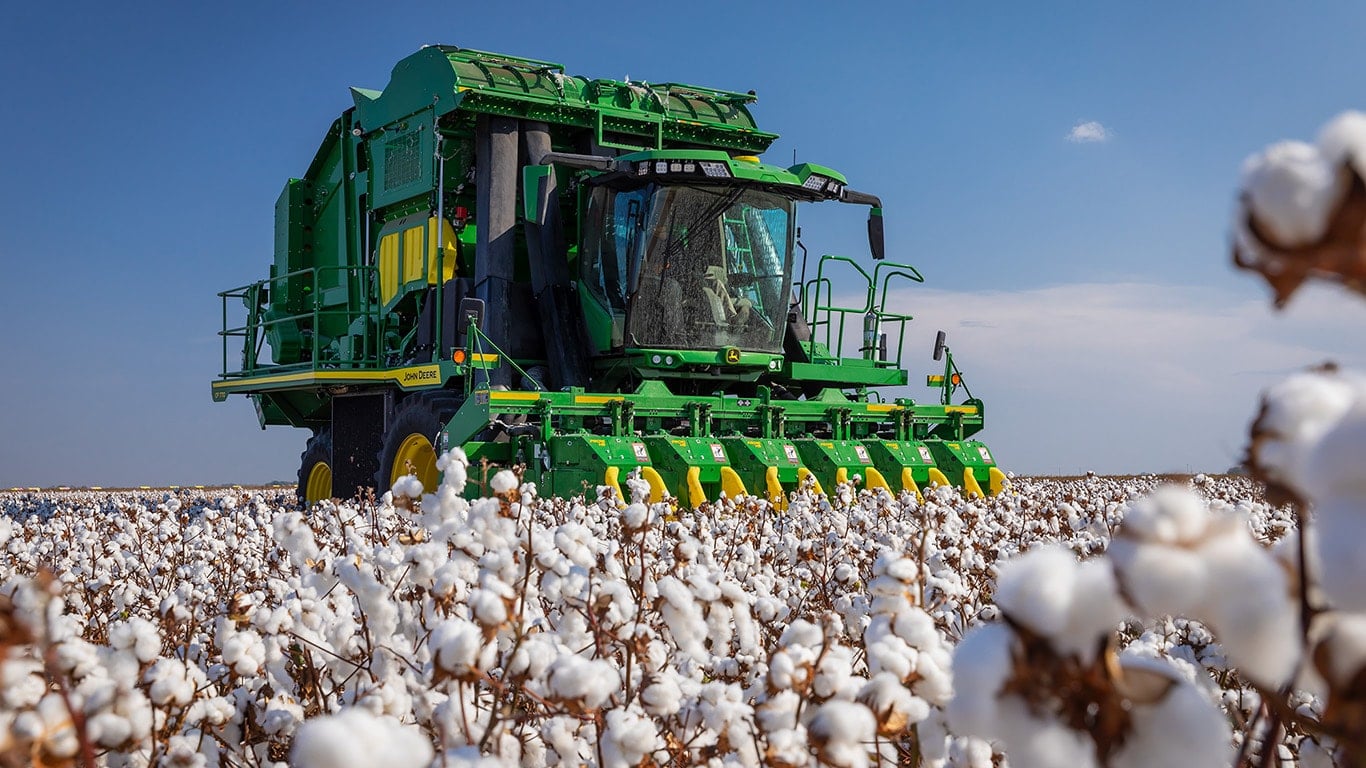

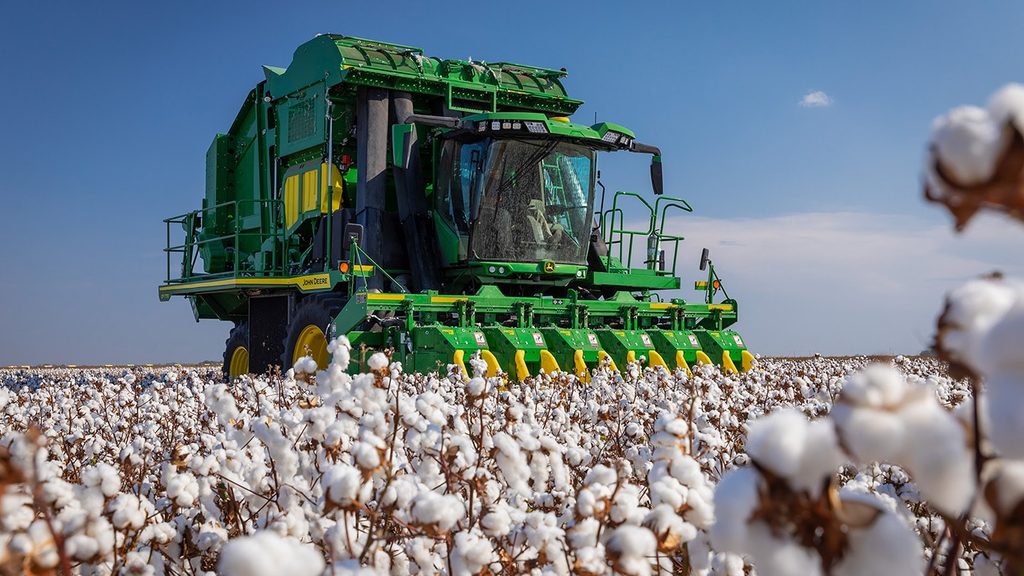
Harvest season is in full swing across West Tennessee, and this year it’s arriving alongside a genuinely painful cost problem: diesel prices have climbed to roughly $6 a gallon statewide, up nearly three dollars from where they stood a year ago — right in the middle of the most fuel-intensive stretch of the farming calendar.
What farmers are actually facing
Cotton farmer Franklin Carmack described the shift bluntly, noting that diesel used to be a manageable line item that’s now become one of the largest costs on his operating budget, with a full trailer-load of fuel that once ran around $20,000 now costing considerably more. For an industry where fuel powers everything from combines to grain haulers during the narrow window of harvest, a price spike of this size lands at the worst possible moment — after planting and financing decisions were already locked in for the season.
A proposed fix from Jackson
State Senator Page Walley has formally asked Governor Bill Lee to grant Tennessee farmers, loggers, and agricultural haulers a temporary exemption allowing them to use dyed diesel — normally restricted to off-road use — in vehicles operating on public roads as part of farm and forestry work, through at least November 15. Walley’s proposal notes that Tennessee already exempts certain agricultural fuel purchases from taxation, and frames this request as an extension of that existing approach rather than an entirely new policy. As of the request, the Governor’s office had not yet responded.
Not just a Tennessee problem
The pressure West Tennessee farmers are feeling reflects a national squeeze. Refineries have been running near full capacity without meaningfully easing supply, and diesel inventories are forecast to stay below typical five-year lows well into next year. Lawmakers in several states have floated their own relief ideas, from suspending fuel taxes to restricting diesel exports, as the 2026 harvest collides with a supply crunch few producers planned for.
How some growers are coping in the meantime
Not every farm is waiting on policy relief. Some Tennessee Valley producers have gotten ahead of the spike by pre-purchasing large volumes of on-farm diesel storage before prices climbed, or by shifting toward no-till practices that reduce the number of tractor passes — and fuel burned — per acre. Those strategies have let some growers avoid passing costs on to consumers so far, though most acknowledge that cushion won’t hold indefinitely if diesel prices stay elevated into next year.
What to watch next
Whether Governor Lee acts on Walley’s request will likely shape how West Tennessee’s harvest season plays out financially for smaller operations without the cash reserves to absorb a fuel cost this steep. For now, farmers across the region are simply working through it — overtime hours and all.