
Nashville and Memphis Leverage Professional, Collegiate, and Youth Sports to Foster Civic Pride, Economic Activity, and Cross-Community Relationships
NASHVILLE/MEMPHIS — When the Nashville Sounds announced their 2026 schedule with a home opener set for March 31 against the Charlotte Knights, the minor league baseball team continued a tradition dating decades—providing affordable, accessible entertainment that brings families, friends, and strangers together in shared experience, transcending the demographic divisions that often fragment urban communities.
The Sounds, Triple-A affiliate of the Milwaukee Brewers, playing at First Horizon Park, epitomize how sports create gathering spaces and common ground in increasingly polarized times. The 2026 schedule features 10 different International League opponents visiting Nashville, including area Major League affiliates Gwinnett Stripers, Louisville Bats, and in-state rivals Memphis Redbirds. The Sounds will host games throughout Independence Day Weekend against defending Triple-A Champions, the Jacksonville Jumbo Shrimp, on July 3-5, creating traditional summer entertainment for families seeking affordable celebration options.
All Tuesday-Saturday games throughout the 2026 season will feature 6:35 p.m. first pitches, with the first six Sundays through June 14 scheduled for 1:05 p.m. starts—a change from previous seasons’ 2:05 p.m. Sunday home games. The final home series in June switches to 6:05 p.m. Sunday starts continuing through season end, with the 2026 regular season finale set for Sunday, September 20 at 6:05 p.m. These scheduling details reflect an understanding that fan convenience and tradition matter for building sustained attendance.
Memphis Redbirds play at AutoZone Park in downtown Memphis, a stadium nationally praised by Sports Illustrated and Ballpark America. With Memphis flavor on deck, fans enjoy everything from specialty adult beverages to nachos featuring Memphis barbecue—a curveball on classic baseball snacks that reflects local culinary identity. The Redbirds, AA affiliate of the St. Louis Cardinals, benefit from proximity to Major League success while maintaining distinct Memphis character.
Tennessee hosted its first-ever American League or National League game on August 2, 2025 at Bristol Motor Speedway as the Cincinnati Reds took on the Atlanta Braves. Known as “the Last Great Coliseum,” the track transformed into a fan-filled ballpark while also functioning as double-header for music lovers with iconic performers Tim McGraw, Pitbull, and Jake Owen headlining pre-game concerts. This convergence of sports and music reflects Tennessee’s dual identity as home to both competitive athletics and world-class entertainment.
Nashville’s professional sports landscape extends beyond baseball to include the Tennessee Titans in the NFL, Nashville SC in Major League Soccer, and the Nashville Predators in the NHL. The concentration of professional franchises positions Nashville as legitimate sports city despite lacking NBA team—a gap Memphis fills with the Grizzlies representing western Tennessee in the National Basketball Association.
Nashville Sports Council coordinates hosting major sporting events throughout the year, with the calendar including events scheduled for December 30, 2025, January 5, 2026, March 11-15, 2026, and April 2026. The organization works to attract tournaments, championships, and special events that bring national attention and visitor spending to Nashville while providing local fans opportunities to watch high-level competition.
Collegiate athletics play significant roles in both cities’ sports cultures. Vanderbilt University competes in the Southeastern Conference across multiple sports, with baseball, basketball, and football drawing substantial fan bases. The Commodores’ 2026 schedule includes home games at Hawkins Field and other venues throughout Nashville. Memphis hosts University of Memphis Tigers athletics across multiple sports, with particularly strong basketball tradition creating passionate local following.
Tennessee State University, Fisk University, and other historically Black colleges contribute to Nashville’s diverse sports landscape, fielding competitive teams while serving as cultural anchors in their communities. These institutions demonstrate how sports intersect with educational mission and community identity beyond simply entertainment or economic development.
Youth sports infrastructure throughout Tennessee creates pathways for participation transcending simple recreation to include character development, social connection, and skill-building with lifelong benefits. The Nashville Soccer Supporters Trust provided record giving in 2025 to support middle Tennessee soccer community, outfitting Haywood Elementary School’s interscholastic soccer team including providing jerseys. The Bears, led by coach Kevin Schaff and inspired by professional appearance, had strong season before bowing out in playoffs.
The Trust also provided financial assistance to Nashville Rhythm, perennial powerhouse in the Women’s Premier Soccer League. The Rhythm proved again to be among the best in the league before falling to longtime rival Chattanooga in Southeast Conference Championships. These investments in semi-pro and youth soccer demonstrate commitment to developing sport from grassroots through elite levels.
Memphis Sports and Events Center, located in Liberty Park just outside Liberty Bowl Stadium, opened in recent years providing venue for tournaments across multiple sports. The facility hosts events including Memphis Mayhem volleyball tournament, Blues City Bash, gymnastics competitions, and Blues City Comic Con, demonstrating venue flexibility beyond traditional sports programming. The center’s proximity to entertainment, retail, dining, and hospitality options makes it ideal for traveling tournaments bringing families from across regions.
The 2D Sports World Series in Nashville scheduled July 9-13, 2025 brought together high school baseball teams from across Tennessee, Alabama, Ohio, and beyond. Teams including Memphis Tigers 17u, Midland TN 17U Scout, OBC, Old Hickory 17’s, Pirates Baseball 2026, and dozens of others competed in age-group divisions providing exposure opportunities for college recruitment while offering players experience in competitive environments beyond school seasons.
Corporate and community support for sports programming creates sustainability enabling long-term planning and investment. The Nashville Soccer Supporters Trust’s record giving in 2025 was possible only through generous community support and smart resource management, positioning the Trust’s financial condition as strong and growing for continuing to promote local soccer and community welfare.
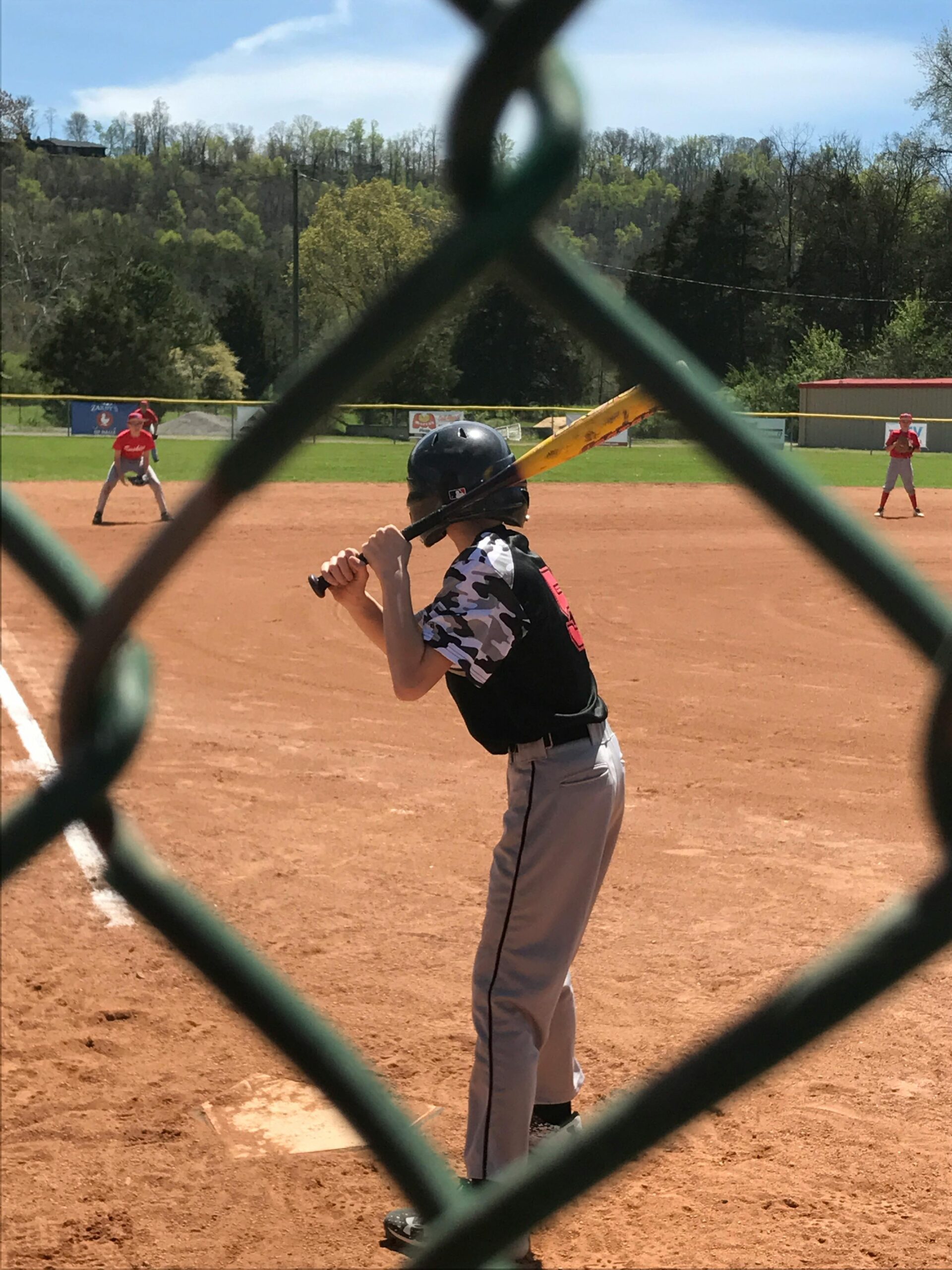
Sports provide common language transcending demographic differences that often divide communities. Baseball fans from different neighborhoods, backgrounds, and political perspectives can debate batting orders and pitching changes without touching controversial topics dominating other spheres. Basketball enthusiasts united in cheering hometown teams find themselves sitting next to people they might never otherwise encounter, sharing experiences that humanize those who might otherwise remain abstract others.
Youth sports participation creates networks of parents, coaches, and volunteers crossing lines that separate adults in professional and residential contexts. Car pools to away games, volunteer shifts at concession stands, and sideline conversations during practices create opportunities for relationship-building generating social capital benefiting communities beyond sports themselves.
The economic impacts of sports extend from direct spending by fans on tickets, concessions, and merchandise to broader effects including hotel bookings by visiting teams and their supporters, restaurant meals before and after games, retail shopping during tournament weekends, and media coverage raising city profiles attracting future visitors and potential residents.
Nashville’s aspirations for Major League Baseball expansion illustrate how sports intersect with civic ambition and identity. While MLB Commissioner Rob Manfred indicates expansion isn’t likely before 2029 if then, and the league wants expansions in time zones other than central which already claims eight MLB franchises, Nashville continues positioning itself as viable candidate through demonstrating market size, corporate support, and sports infrastructure.
Debates about fairgrounds racetrack revitalization expose tensions around sports facilities and their impacts on surrounding communities. Track opponents including neighborhood leaders and affordable-housing advocates push for banning racing while pro-racing supporters and state officials support track continuation. Nashville SC owner John Ingram opposes racetrack revitalization and has paused financial commitment to affordable-housing initiative while awaiting outcome, demonstrating how sports venue decisions become entangled with broader urban development questions.
The potential arrival of National Women’s Soccer League team in Nashville, likely playing at Geodis Park which is also scheduled to host three games of the FIFA World Cup in 2026, would expand professional sports options while supporting women’s athletics. The stadium’s dual use for international soccer showcases and local professional matches demonstrates facility flexibility that improves economic viability.
Memphis leverages its sports assets including Liberty Bowl Stadium, AutoZone Park, FedExForum, and St. Jude Children’s Research Hospital—which brings international attention and goodwill while supporting pediatric cancer research—to position itself as sports and medical destination. The convergence of these identities creates unique brand supporting both tourism and economic development.
Community organizing around sports creates civic capacity transferable to other issues. Parents who learn to fundraise for youth sports teams, coordinate tournament logistics, or advocate for facility improvements develop skills and confidence applicable to addressing education policy, infrastructure needs, or other community priorities. Sports serve as training ground for citizenship extending beyond athletic competition.
Looking ahead, Tennessee’s sports landscape will continue evolving as professional franchises expand or contract, collegiate athletics navigate name-image-likeness compensation, youth sports confront questions about specialization and intensity, and communities debate how to balance sports facility investments against other priorities competing for limited public resources. Whether sports continue uniting communities or become another arena for division will depend partly on intentional efforts to maintain accessibility, affordability, and inclusive welcome that makes sports powerful community-building force.