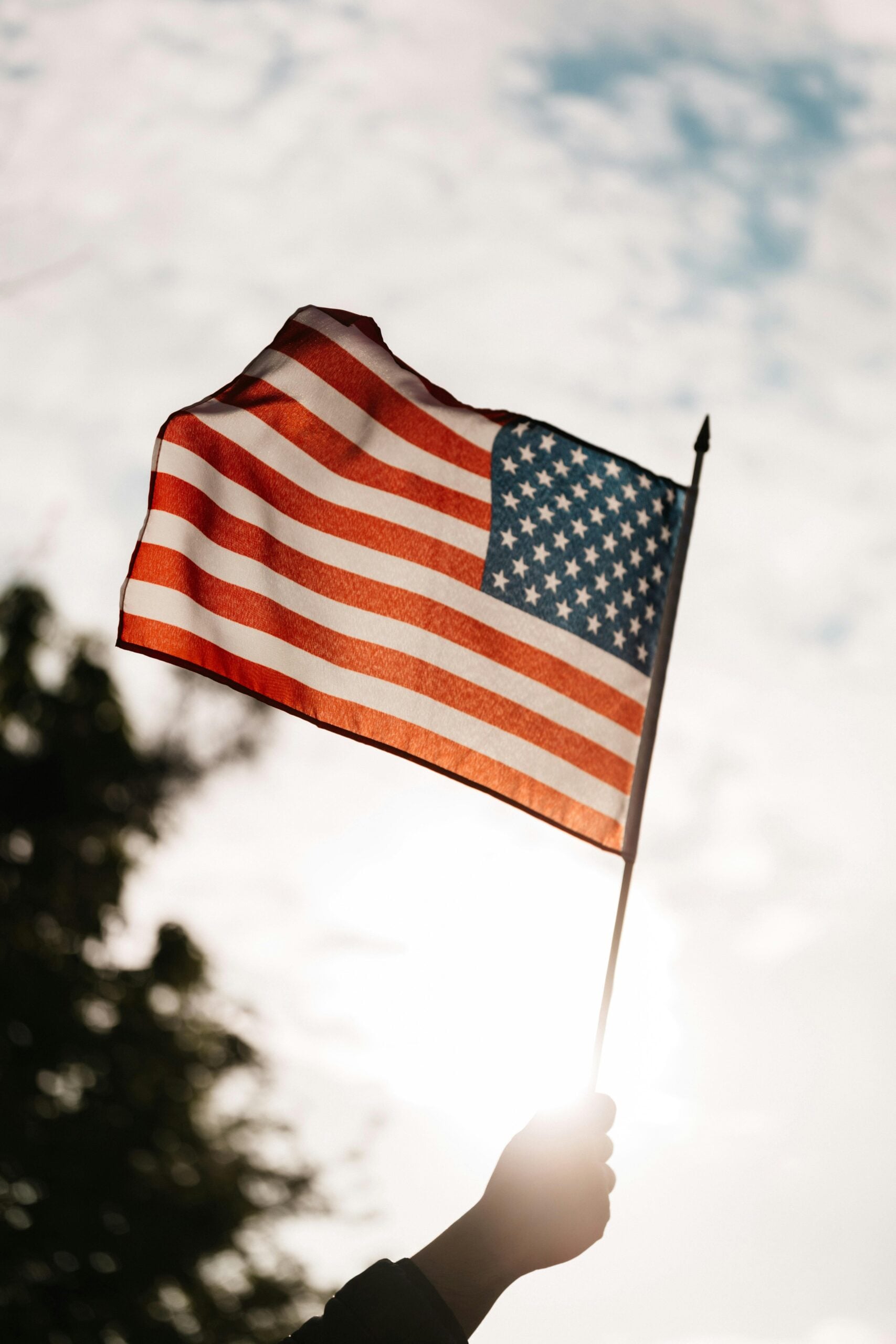

Honoring military service means confronting the human costs of war, demanding accountability, and refusing to sacrifice veterans to political and economic interests.
By Talibdin El-Amin | Publisher, St. Louis Argus | U.S. Navy Gulf War Veteran
Every Veterans Day, America unfurls its flags, stages parades, broadcasts patriotic tributes, and celebrates military service beneath stadium lights. Politicians deliver carefully rehearsed speeches declaring their unwavering support for veterans.
But when the ceremonies conclude and the football games end, an uncomfortable question remains: Does America truly honor its veterans, or merely celebrate the symbolism of their sacrifice?
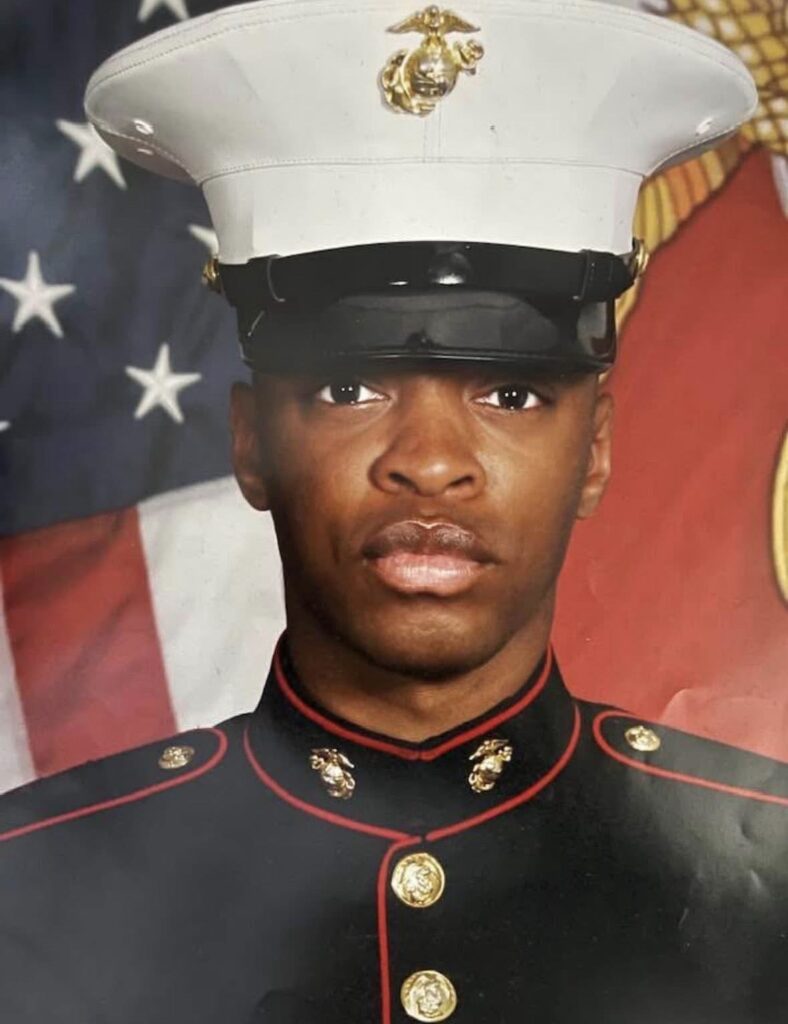
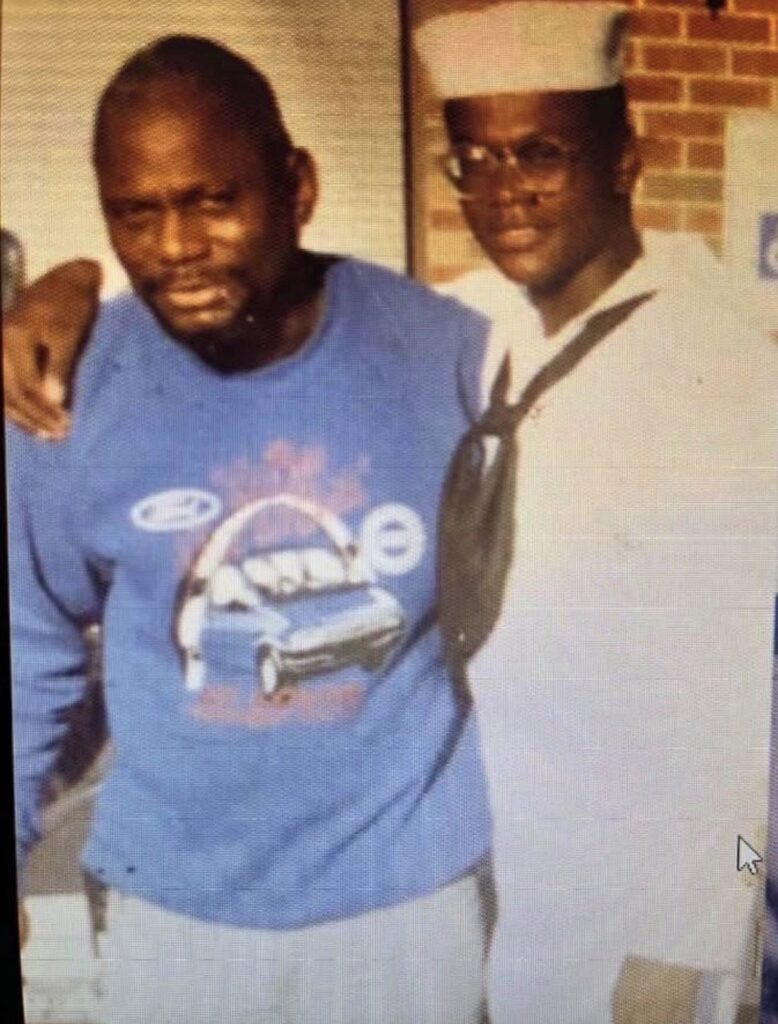
I write as a Gulf War veteran, the son of a Vietnam veteran, brother to war veterans, and father of sons who have worn this nation’s uniform. Military service spans generations of my family. We understand patriotism, sacrifice, duty, and the profound pride accompanying honorable service.
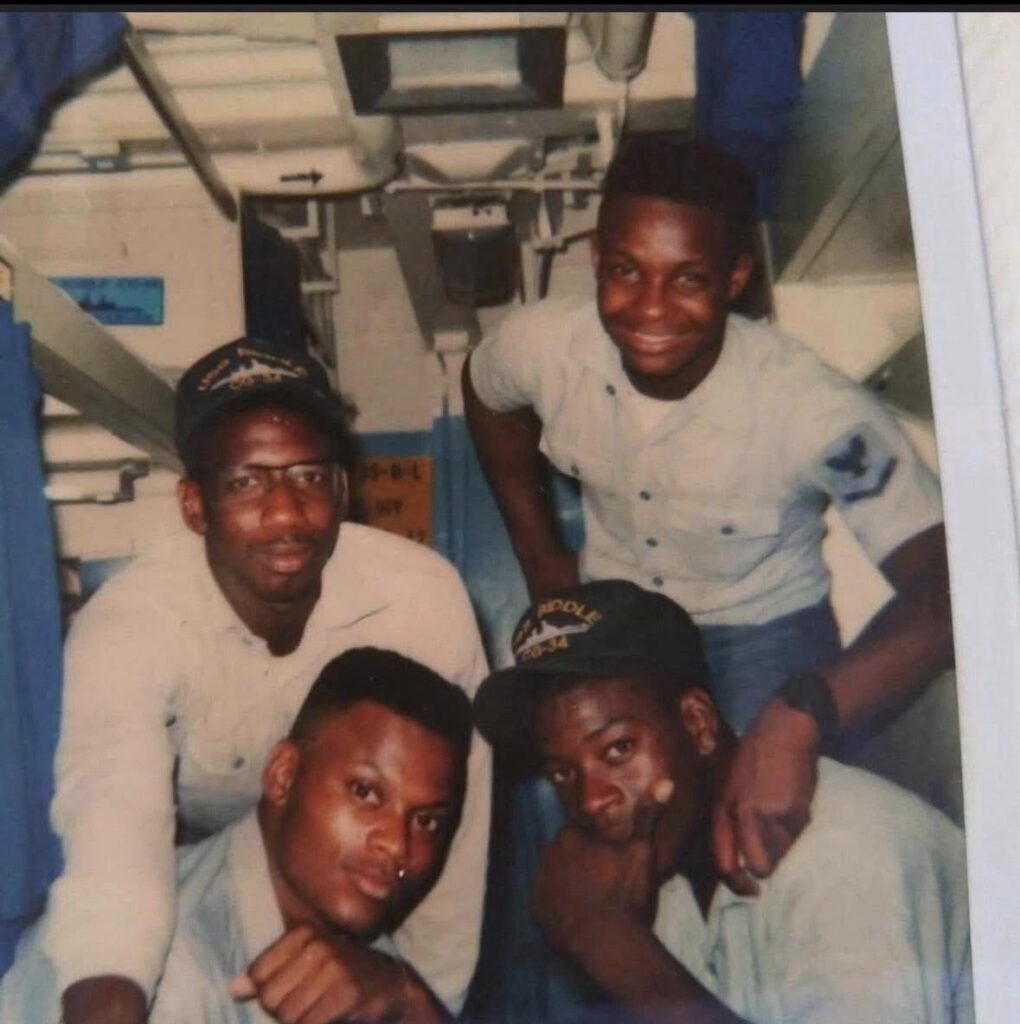
We also understand its price.
According to the Department of Veterans Affairs, 6,488 veterans died by suicide in 2024— approximately 18 every day. Federal housing statistics identified 32,495 homeless veterans during a single night in January 2025. Although homelessness among veterans has declined significantly, thousands remain without permanent shelter.

These figures represent more than statistics. They reflect families struggling with post-traumatic stress, traumatic brain injuries, chronic pain, disability, unemployment, addiction, and the invisible wounds accompanying military service.
Meanwhile, the Trump administration’s approach to veteran services deserves scrutiny. In 2025, the administration initially contemplated eliminating approximately 80,000 VA positions before reducing its workforce reduction target to approximately 30,000. While overall VA appropriations increased, staffing reductions and proposed reductions in certain medical funding accounts raised legitimate concerns about accessibility and continuity of care.
Consider our national priorities.
The fiscal 2026 defense appropriations legislation provided approximately $839 billion in discretionary funding, compared with roughly $133 billion in discretionary VA funding—more than six dollars for defense for every discretionary dollar allocated to Veterans Affairs. Total VA funding, including mandatory disability compensation and benefits, was substantially higher. The distinction matters, but so does the underlying question: Are we as committed to healing those who serve as we are to financing warfare?
Many veterans proudly defend their service while questioning whether particular conflicts advanced American security or primarily benefited geopolitical ambitions, defense contractors, and powerful economic interests.
We can honor our oath without endorsing every war.
We can love our country while questioning the politicians who send young Americans into danger. And we can reject the notion that national security automatically justifies endless military engagement.
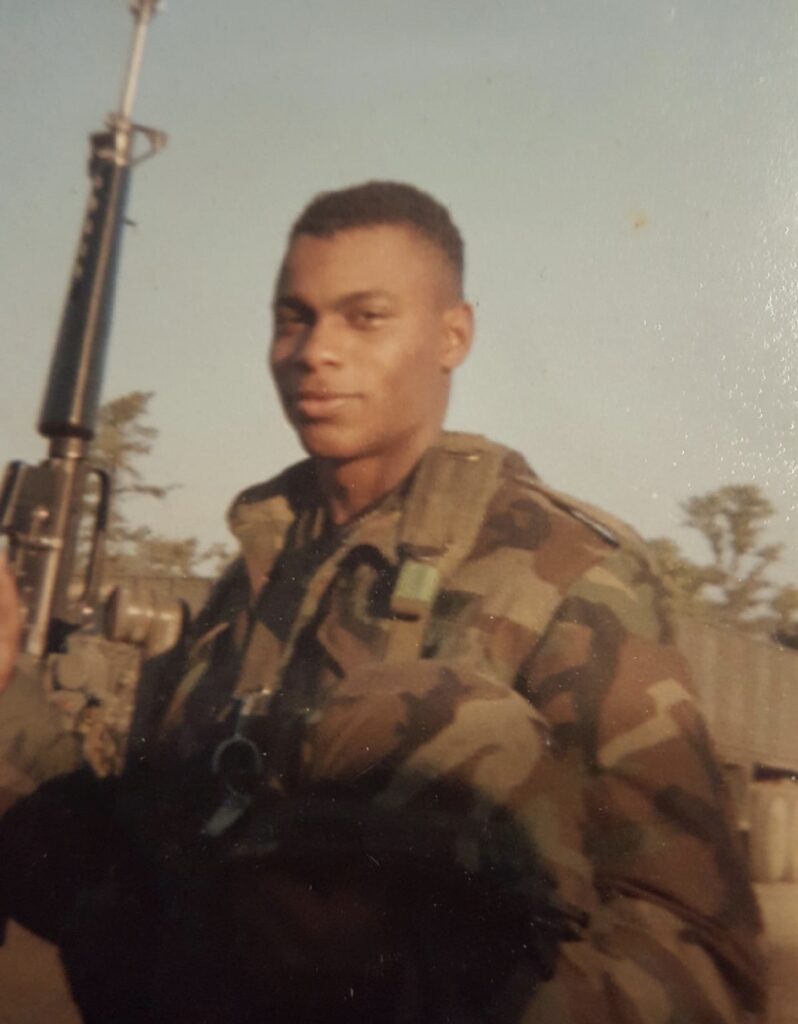
True patriotism requires examining whose interests military interventions serve, whether diplomacy was exhausted, and whether the human consequences justify their objectives.
Our military personnel are not disposable instruments of global power, corporate profit, or political ambition.
Veterans deserve fully staffed hospitals, accessible mental healthcare, affordable housing, timely disability benefits, and meaningful employment opportunities. They also deserve leadership that treats military force as a last resort rather than an instrument of perpetual foreign policy.
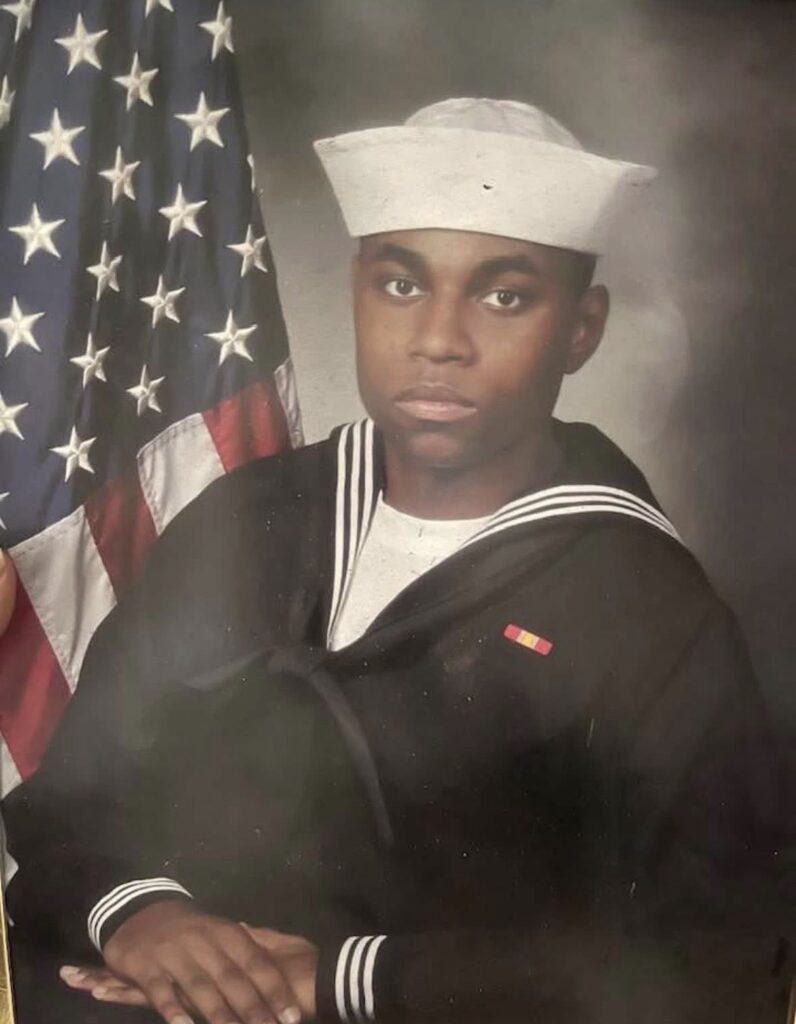
On this Veterans Day, spare us the empty proclamations.
Honor the fallen. Care for the living. Stop exploiting the uniform. And stop sending America’s sons and daughters into wars without compelling justification. That is what supporting our veterans should mean.
SOURCE NOTES
• U.S. Department of Veterans Affairs, 2026 National Veteran Suicide Prevention Annual Report (2024 data): 6,488 veteran suicides.
• U.S. Department of Housing and Urban Development, 2025 Point-in-Time Count: 32,495 veterans experiencing homelessness.
• Reuters, July 2025: VA workforce reduction plan revised from approximately 80,000 to 30,000 positions.
• FY2026 defense discretionary appropriations: approximately $838.7 billion; FY2026 VA discretionary funding: approximately $133.18 billion; total VA appropriations: approximately $445.49 billion. Figures compare discretionary funding, not total defense and total VA spending.