
Nearly 7,000 Middle and High School Students Participate Annually in Youth in Government and Model UN, While Climate Summit Draws Young Organizers
NASHVILLE — When the Nashville Youth Climate Summit convened on March 1, 2025, it brought together young people from across Middle Tennessee to discuss climate action, environmental justice, and the role their generation must play in addressing what many consider the defining challenge of their lifetimes. The summit, organized by the Cumberland River Compact, represented just one example of expanding youth activism infrastructure in Tennessee, where students increasingly engage with policy issues through both formal civic education programs and grassroots organizing efforts.
The event’s success prompted organizers to launch a Climate Action Cohort for spring 2025, offering students opportunities to strengthen leadership skills, design and implement climate action projects in their communities, and connect with peers working on similar initiatives across Nashville. Applications were due March 9, 2025, with organizers encouraging Youth Climate Summit attendees to apply.
This structured approach to youth climate organizing reflects broader patterns in how Tennessee institutions channel student activism. Rather than simply protesting or raising awareness, programs increasingly emphasize concrete project development, leadership skill-building, and connection to policymaking processes. The model recognizes that young people need not just passion but practical skills and networks to effect change.
The Tennessee YMCA Center for Civic Engagement exemplifies institutional support for youth civic participation. The statewide leadership development and civics program serves students ages 11 through 19, reaching almost 7,000 middle and high school students annually through conferences and programs that allow participants to experience government processes hands-on. The center hosts one Leadership Conference, seven Model United Nations conferences, and eleven Youth in Government conferences statewide each year.
At Youth in Government conferences, students create and operate mock state governments, serving as representatives, senators, governors’ cabinet members, Supreme Court lawyers, lobbyists, or press corps members. All leadership positions are held and elected by participating students, creating an authentic experience with democratic processes, including campaign strategy, legislative negotiation, and electoral competition.
Middle School Youth in Government conferences scheduled for 2025-26 include events in Dyersburg on October 24, 2025, two sessions in Chattanooga on March 5 and 6, 2026, and two Nashville sessions on May 1 and March 8, 2026. High School Youth in Government conferences take place at the State Capitol, with students literally occupying the spaces where real government officials normally work.
Model United Nations conferences provide parallel experience with international diplomacy, with students serving as ambassadors representing UN member countries. Participants emulate cultures and advocate for positions of nations they represent, learning about global issues, diplomatic negotiation, and cross-cultural communication. Like Youth in Government, Model UN emphasizes student leadership with participants making friends from various backgrounds, engaging in respectful debate, practicing public speaking, and finding their voices.
Volunteer Tennessee announced mini-grant opportunities for Youth Civic Engagement programs in February 2025, offering grants ranging from $10,000 to $120,000 with 50 percent match requirements. Proposed projects should occur between July 1, 2025, and June 30, 2026, with funding prioritizing initiatives that engage youth ages 5 to 24 in civic activities promoting leadership and service while strengthening organizational capacity to recruit, manage, support, and retain volunteers.
These institutional programs create pathways for students interested in traditional civic engagement and government processes. However, Tennessee youth activism extends beyond mock legislatures and model diplomacy to include direct action around issues students view as urgent and inadequately addressed by existing political structures.
Climate activism represents one area where youth organizing has grown particularly visible. The global Fridays for Future movement, launched when activist Greta Thunberg began her school strike for climate in August 2018, inspired students worldwide to demand action from political leaders. While Tennessee hasn’t seen the massive school walkouts observed in some regions, climate-concerned students have organized local actions and joined national advocacy efforts.
Research published in Frontiers in Climate in 2025 examined factors influencing youth climate engagement, including data from Tennessee students. The study found that exposure to climate risks, discussions with friends and family, and school-based climate education all influence students’ intentions to engage in pro-climate behaviors. Oak Ridge Associated Universities contributed to the research, which surveyed middle and high school students about their climate attitudes and actions.
The findings suggest that youth climate engagement depends partly on whether young people feel personally affected by climate change and whether they have opportunities to discuss these issues in supportive environments. For Tennessee students facing extreme weather events, witnessing environmental degradation, or learning about climate science in school, the abstract threat becomes a concrete reality demanding a response.
American Legion Volunteer Girls State has invested in young women of Tennessee since 1947, providing the tools participants need to become confident, informed citizens and voters. The week-long nonpartisan leadership experience, offered annually to more than 550 rising high school seniors, centers on citizenship, teamwork, and fostering love of God and country. By building a mock government, electing officials, engaging in party politics, debating legislation, and working together in team activities, participants learn the rights and responsibilities of American citizenship.
American Legion Boys State offers a parallel experience for young men, with participants exposed to the rights, privileges, duties, and responsibilities of franchised citizens. The training emphasizes objective and practical experience with city, county, and state governments operated by elected student officials. Activities include legislative sessions, court proceedings, law enforcement presentations, assemblies, bands, chorus, and recreational programs.
Four-H Congress provides four-day mock legislative events for high school-age 4-H members in ninth and tenth grades, offering opportunities to learn about legislative processes and roles of elected officials. While at 4-H Congress, youth engage in public speaking activities, leadership development, and service projects, combining civic education with practical skill-building.
Tennessee Career Technical Student Organizations, comprised of seven nonprofit organizations specifically authorized by the U.S. Congress in the Perkins Act, align with 16 career clusters and 79 career pathways recognized by career and technical education. To promote citizenship, Tennessee CTSO members have multiple opportunities to learn about and engage in advocacy, connecting career preparation with civic responsibility.
The American Legion’s National High School Oratorical Scholarship Program, subtitled A Constitutional Speech Contest, aims to develop deeper knowledge and appreciation of the Constitution among high school students. Participants deliver prepared and extemporaneous speeches about constitutional topics, competing for scholarships while building public speaking skills and constitutional literacy.
These formal programs create structured opportunities for civic learning and political participation, providing safe environments for students to experiment with leadership roles, make mistakes, and develop skills without high stakes. Critics argue that mock governments and simulated diplomacy can sanitize politics, removing the passion and urgency that characterize real policy debates while reinforcing existing power structures rather than questioning them.
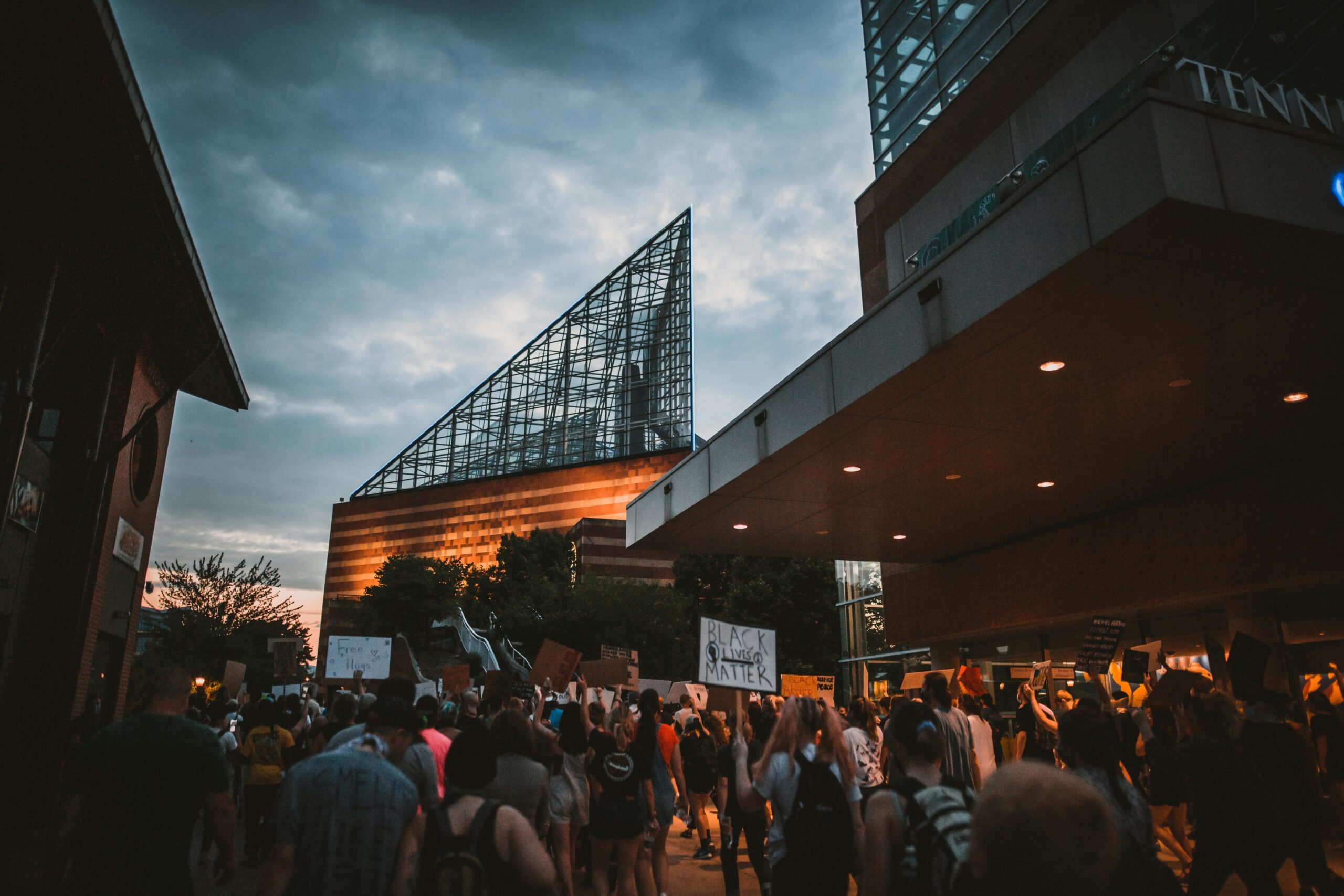
Youth activists working outside formal programs often express frustration with adult-controlled institutions that solicit youth input but lack mechanisms for meaningful youth decision-making authority. As one organizer noted, youth are often tokenized, sidelined, or invited into spaces without power. Authentic youth participation requires not just seats at tables but genuine influence over decisions affecting young people’s lives and futures.
The tension between institutional civic education and grassroots youth activism reflects broader questions about how societies prepare young people for citizenship. Should civic education emphasize working within existing systems, understanding rules and procedures, and developing skills for incremental change? Or should it encourage critical analysis of power structures, willingness to challenge unjust systems, and commitment to transformative rather than incremental change?
Tennessee’s approach incorporates both models. Formal programs like Youth in Government provide structured civic education emphasizing process and procedure, while initiatives like the Nashville Youth Climate Summit support organizing that questions whether existing political processes adequately address urgent challenges like climate change. Students can participate in both, developing procedural knowledge while maintaining critical perspectives on systems they learn to navigate.
For students interested in environmental issues beyond climate change, opportunities exist to engage with conservation organizations, watershed groups, and environmental education programs. The Cumberland River Compact’s youth climate program represents one example of how environmental nonprofits increasingly recognize young people as partners in conservation and advocacy efforts rather than simply future stakeholders.
The Youth Justice Action Council in Memphis, composed of impacted teenagers focused on juvenile justice reform, operates under the principle that nothing about young people should be decided without young people. This youth-led organizing challenges traditional youth development models where adults design programs for youth consumption, instead centering young people as experts on their own experiences and primary agents of change affecting their communities.
Looking toward future youth activism in Tennessee, several factors will shape trajectories. Technology enables organizing and information-sharing that previous generations lacked, allowing students to connect across geographic distances, coordinate actions, and access resources that formal institutions may not provide. Social media platforms facilitate rapid mobilization while creating risks around misinformation and performative activism that substitutes for sustained organizing.
Economic pressures facing young Tennesseans, including student debt, housing costs, and concerns about job prospects, may drive activism around economic justice issues. Climate anxiety about environmental futures could sustain climate organizing or lead to burnout if students perceive inadequate progress. Restrictions on protest and free speech rights could chill activism or galvanize resistance.
The generation coming of age in Tennessee faces challenges previous generations did not confront at similar ages, from pandemic disruptions to their education to climate threats to their futures. Whether formal civic education programs and grassroots organizing efforts equip them to address these challenges effectively remains an open question. What seems clear is that thousands of Tennessee students are engaging with civic and political questions, building skills, forming networks, and preparing to shape their state’s future in ways that may look quite different from how previous generations approached civic participation.
As youth activism evolves in Tennessee, the relationship between institutional support and grassroots organizing will prove crucial. Programs that provide resources and skill-building while respecting youth autonomy and supporting youth-defined priorities may enable the most effective activism. Those that seek to channel youth energy into adult-approved activities while ignoring issues young people care about risk irrelevance as students find other ways to organize and make their voices heard.